Ashley Smith

“How do ‘torpedo bats’ work? We asked baseball physicists to explain”—NPR Article

Journalist Bill Chappell interviewed Dr. Lloyd Smith for this April 2025 NPR article. But the torpedo design doesn’t necessarily translate to more power at the plate. “If you lower the swing weight, you increase your swing speed,” which is “super important for batted ball speed” and hitting the ball farther, Smith says. The tradeoff, he […]
“Physicists devise precise laser-based method to measure a baseball’s drag”—Ars Technica Article

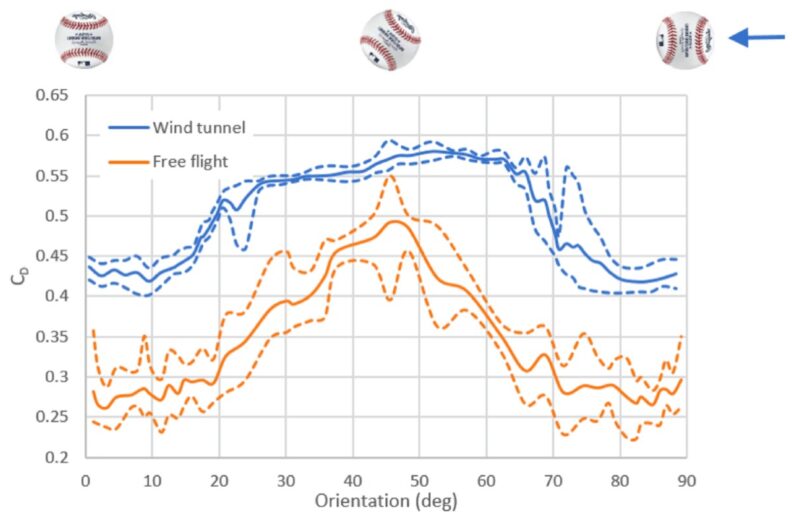
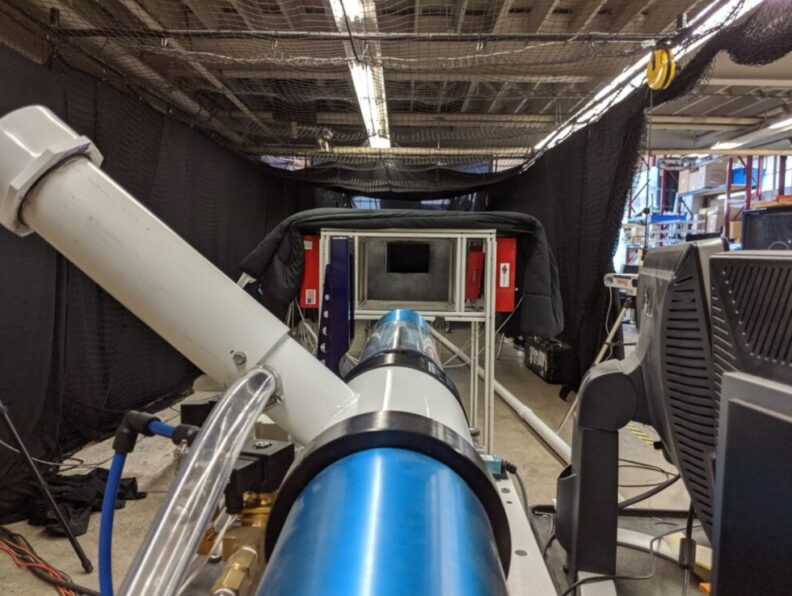
Jennifer Ouellette interviewed Dr. Lloyd Smith in this April 2022 Ars Technica article. So Smith and his co-author, Andrea Sciacchitano of Delft University of Technology in the Netherlands, set about finding a better method for measuring a baseball’s drag in free flight. They note that the first such measurements were made during the 1996 Olympics, […]

“The Physics of How High—and How Far—Baseballs Can Travel”—Popular Mechanics Article

SSL was featured in this Popular Mechanics article from April 2022 written by Tim Newcomb. A professor at Washington State University’s (WSU) School of Mechanical and Materials Engineering, Smith had been working on a new concept for about a decade to track a ball’s lift or drag more accurately than with traditional wind-tunnel practices. His […]

“The physics of baseball’s sticky situation” — Physics Today Article

Andrew Grant interviewed Dr. Lloyd Smith in this July 2021 article published in Physics Today. From a physics perspective, the relationship between a baseball’s spin and its trajectory has been tested extensively over the past few decades, and it’s clear that even a small change in spin rate can affect hitters’ chances of success. However, […]

“MLB Could Build a Consistent Baseball. Here’s Why It Hasn’t.”—Wall Street Journal Feature

The Wall Street Journal featured SSL in this article from March 2020, entitled “MLB Could Build a Consistent Baseball. Here’s Why It Hasn’t.” by Jared Diamond. The answer almost certainly lies in Smith’s lab, located here in southeastern Washington state, just minutes from the Idaho border. Previously, Smith and his team focused primarily on certifying […]